
Sauces & Condiments
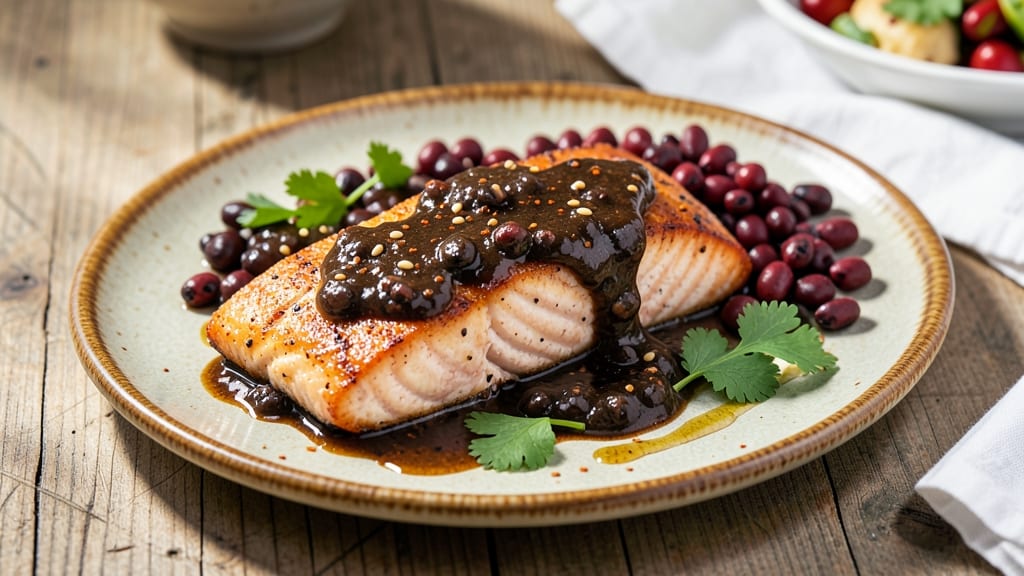
This baked salmon with black bean sauce recipe delivers restaurant-quality results with a smoky-spiced glaze that clings to every flake. The fusion of tender salmon and rich, umami-packed black bean sauce creates a dish that's both elegant and approachable.
I developed this recipe after years of experimenting with Asian-inspired techniques, and it never fails to impress.
What makes this recipe special is the perfect balance between simplicity and depth. The black bean sauce—made with just a handful of pantry staples—adds layers of flavor without overwhelming the delicate taste of the salmon.
Baking the salmon at the right temperature ensures it stays moist and flaky, while the sauce caramelizes into a sticky, flavorful glaze.
The result is a dish that's rich, aromatic, and perfectly balanced—ideal for weeknight dinners or special occasions. The smoky notes from the sauce complement the natural sweetness of the salmon, creating a harmony of flavors that will have everyone asking for seconds.
Serve it with steamed rice or roasted vegetables for a complete meal.
This recipe is designed to be foolproof, with clear instructions that ensure success every time. Whether you're a seasoned home cook or just starting out, you'll achieve professional-quality results with minimal effort. Let's get started on creating this delicious fusion dish!
Ingredients for baked salmon with black bean sauce
Pantry staples meet restaurant-quality salmon for a dish that's elegant yet simple.
| Ingredient | Amount | Notes |
|---|---|---|
| Salmon Fillets 🐟 | 4 whole | Skin-on, center-cut for even cooking |
| Black Beans 🫘 | 1 cup | Canned, drained and rinsed |
| Garlic Cloves 🧄 | 4 cloves | Minced for sauce |
| Ginger Root 🌿 | 1 tbsp | Freshly grated |
| Soy Sauce 🍶 | 2 tbsp | Low-sodium preferred |
| Sesame Oil 🫒 | 1 tbsp | Toasted sesame oil for aroma |
| Honey 🍯 | 1 tbsp | For balance and caramelization |
| Lime Juice 🍋 | 1 tbsp | Freshly squeezed |
| Smoked Paprika 🌶️ | 1 tsp | For smoky depth |
| Ground Black Pepper 🌶️ | ½ tsp | Freshly cracked |
| Olive Oil 🫒 | 1 tbsp | For salmon brushing |
| Salt 🧂 | 1 tsp | Kosher or sea salt |
| Green Onion 🧅 | 2 whole | Thinly sliced for garnish |
The salmon fillets are the foundation—center-cut pieces ensure even cooking and fewer bones. Look for skin-on fillets at Whole Foods or your local fishmonger; the skin crisps beautifully during baking. If you can't find fresh, high-quality frozen salmon works too (just thaw overnight). The black beans? Canned is fine, but if you're feeling ambitious, soak and cook dried for deeper flavor. For the sauce, low-sodium soy sauce prevents overpowering the delicate salmon taste, but regular works if you reduce it slightly.
No smoked paprika? Regular paprika plus a pinch of liquid smoke gets you close. Substitute honey with maple syrup for vegan needs, though the caramelization won't be identical. Fresh ginger is ideal, but ground ginger at half the amount works in a pinch. The sesame oil is non-negotiable for aroma—skip it, and you lose that signature nutty depth. For extra richness, add a dash of miso paste to the sauce. And if you're short on lime, lemon juice works, but the citrus notes won't be quite the same.
Salmon fillets keep best in the fridge for 2 days if uncooked, wrapped tightly in parchment. The black bean sauce can be made 3 days ahead—it actually tastes better after flavors meld. Store it in an airtight container in the fridge. For serving, reheat sauce gently before drizzling over freshly baked salmon. Garnish with green onions right before serving—they wilt fast, so don't prep them too early.
Why You'll Love This Recipe
- One-Pan Magic: I swear by this recipe when I’m too tired to wash dishes. The salmon and beans bake right on the same sheet—no fussing with multiple pans, just that rich, smoky aroma filling the kitchen while I prep the rest of the meal.
- Umami Bomb: That black bean sauce? Chef’s kiss. The ginger and garlic caramelize into something deep and savory, cutting through the salmon’s natural richness without overpowering it. Honestly, I’ll take this over store-bought sauces any day.
- Lunchbox Hero: Between us, this is my go-to for meal prep. The sauce clings to the salmon beautifully, so it reheats like a dream—no soggy fish here. Pack it cold for work or save it for tomorrow’s dinner; it’s that reliable.
- Budget Protein Win: Fresh salmon can be pricey, but here’s the thing: a single fillet stretches further with the black beans and sauce. I’ve fed four people for under $20 with this, and no one ever complains about leftovers. (Yes, even my picky teenager.)
Step-by-step instructions for baked salmon with black bean sauce
Here's how to create a perfectly balanced dish with tender salmon and a rich, aromatic black bean glaze.
Prepare the Black Bean Sauce
In a small saucepan, combine the 1 cup black beans, 4 cloves minced garlic, 1 tablespoon freshly grated ginger root, 2 tablespoons soy sauce, 1 tablespoon honey, 1 tablespoon lime juice, 1 teaspoon smoked paprika, and ½ teaspoon ground black pepper. Bring to a gentle simmer over medium heat and cook for 5-7 minutes, stirring occasionally, until the mixture thickens slightly and the flavors meld together.
The sauce should reduce enough to coat the back of a spoon with a smooth, glossy consistency. If it thickens too quickly, add 1-2 tablespoons water to maintain the proper texture. Remove from heat and stir in 1 tablespoon sesame oil—this adds a nutty aroma that complements the smoky spices perfectly. Let the sauce cool slightly while you prepare the salmon.
Season and Prep the Salmon
Preheat your oven to 375°F. Pat the 4 whole salmon fillets dry with paper towels—this ensures a crispy skin. In a small bowl, mix 1 tablespoon olive oil with 1 teaspoon salt and ½ teaspoon black pepper. Brush this mixture evenly over both sides of each fillet, including the edges.
Place the seasoned fillets on a parchment-lined baking sheet, skin-side down. The skin will crisp beautifully while protecting the delicate flesh underneath. Arrange them in a single layer, leaving about ½ inch of space between each fillet to allow heat circulation. This spacing prevents steaming and ensures even cooking.
Bake the Salmon
Bake the salmon for 12-15 minutes, depending on thickness, until the internal temperature reaches 145°F and the edges begin to flake easily when tested with a fork. The skin should be golden brown and crispy, while the flesh remains moist and tender.
If the top of the salmon begins to brown too quickly, tent loosely with aluminum foil to prevent overcooking. The salmon is done when it separates cleanly at the thickest part with no translucent center. Remove from the oven and let rest for 5 minutes—this allows the juices to redistribute, ensuring every bite is succulent.
Assemble and Serve
While the salmon rests, thinly slice the 2 whole green onions and set aside. Spoon the black bean sauce evenly over each fillet, allowing it to pool slightly in the center. The sauce will cling naturally to the flaky texture, creating a harmonious blend of smoky, sweet, and umami flavors.
Garnish each serving with the sliced green onions for a fresh, bright contrast. Serve immediately with steamed rice or a simple green salad to balance the rich, savory sauce. The combination of tender salmon, aromatic black bean glaze, and crispy skin makes this dish both elegant and satisfying.
Pro Tips For Making Baked Salmon With Black Bean Sauce
- Sear First, Bake Second: Hit the salmon skin-side down in a hot pan for 2-3 minutes before baking—it browns faster and locks in moisture. I learned this the hard way when my first batch turned out dry; the extra step makes all the difference for that crispy texture.
- Rinse Those Beans: Drain and rinse canned black beans before blending—they’re packed with sodium, and you’ll taste it if you skip this. My grandmother swore by this, and she was right: the sauce stays balanced, not briny.
- Don’t Overmix the Sauce: Blend the black bean sauce just until smooth, then stir in the raw garlic and ginger by hand—over-blending turns it gluey. I was skeptical until I tried it; the texture stays silky, not gummy.
- Bake at 375°F, Not Higher: Salmon cooks fast, and high heat turns it rubbery. Stick to 375°F for 12-15 minutes, and use an instant-read thermometer—125°F internal is perfect. Sounds weird, but it works: no more dry, overcooked fish.
Serving suggestions for this baked salmon with black bean sauce
Garnish Like a Pro
Fresh green onions are my go-to garnish—they add a bright, crisp contrast to the rich black bean sauce. Thinly slice 2 whole green onions and sprinkle them over each fillet just before serving. For extra flair, add a few sesame seeds or toasted slivered almonds for crunch. 🌿
Rice Pairings
Steamed jasmine rice or brown rice soaks up the sauce beautifully. For a more elegant presentation, use a rice cooker and fluff the grains with a fork. I like to serve the salmon over a small bed of rice, with extra sauce spooned alongside for dipping.
For added texture, try forbidden black rice—its deep color complements the dish perfectly.
Vegetable Sides
Roasted asparagus or broccolini adds a touch of freshness to balance the richness. Toss 1 bunch asparagus with 1 tablespoon olive oil, ½ teaspoon salt, and ¼ teaspoon black pepper, then roast at 400°F for 12-15 minutes until tender-crisp.
A simple mixed greens salad with a light vinaigrette also works well.
Bread Options
Crusty baguette slices or garlic naan make great companions for soaking up extra sauce. Toast the bread lightly and serve on the side. For a fusion twist, try steamed bao buns—stuff them with a spoonful of black bean sauce and a piece of salmon for a handheld bite. 🥖
Dessert Pairings
Finish the meal with something light but sweet, like mango sorbet or lychee jelly. The citrusy notes of the sorbet cut through the richness of the salmon, while the jelly adds a delicate floral touch.
For a simpler option, serve fresh berries with a drizzle of honey—it’s refreshing and balances the meal perfectly.
Nutrition facts
Frequently asked questions
Can I use canned salmon instead of fresh fillets?
Fresh salmon is ideal for this recipe, but you can use high-quality canned salmon as a substitute. Drain the salmon well and pat it dry to remove excess moisture. The texture will be slightly different—less flaky—but it still works well with the black bean sauce. Just reduce baking time to 8-10 minutes at 375°F since canned salmon cooks faster.
How do I adjust the black bean sauce for a spicier kick?
Add ½ teaspoon red pepper flakes or 1 teaspoon sriracha to the sauce while simmering. For heat lovers, blend in 1 small jalapeño (seeds removed) with the garlic and ginger. Start with less—you can always add more later, but you can't remove the spice once it's in!
What if my black bean sauce turns out too thick?
Simply stir in 1-2 tablespoons water or fish stock while warming the sauce. If it's already cooled, thin it with a splash of lime juice or water before reheating. The sauce should coat the back of a spoon smoothly but still cling to the salmon.
Can I make this recipe ahead of time?
The black bean sauce can be prepared 3 days ahead and stored in an airtight container in the fridge. The salmon should be baked fresh day-of for best texture, but you can prep the fillets with seasoning 1 day ahead and refrigerate uncovered. Reheat gently in the oven at 300°F for 5-8 minutes before adding the sauce.
Why did my salmon skin not crisp up?
This usually happens if the fillets weren't pat dry or if they weren't placed skin-side down on the baking sheet. For next time, ensure the salmon is completely dry and place it skin-side down on a parchment-lined tray with space between fillets. If needed, broil for 1-2 minutes at the end to crisp the skin.