
Side Dishes
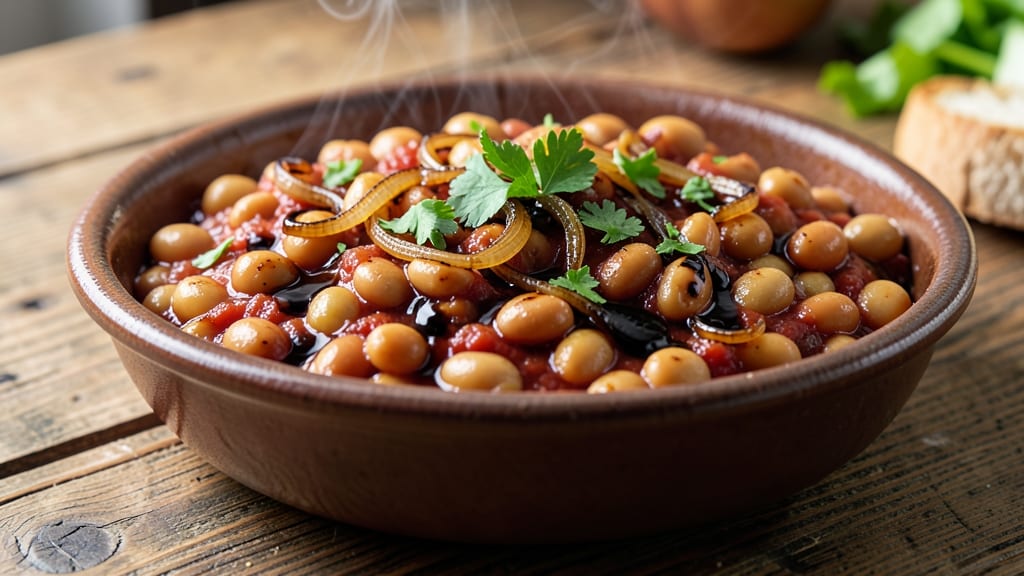
This baked bean recipe using butter beans transforms humble ingredients into a smoky-sweet, protein-rich side that steals every meal. Butter beans—creamy, hearty, and packed with fiber—hold up beautifully to long simmering, absorbing flavors while maintaining their tender texture.
The secret lies in balancing sweetness with just enough heat, creating a dish that feels both comforting and sophisticated.
Unlike traditional recipes that rely on navy beans, butter beans deliver a richer mouthfeel and subtle nutty depth that pairs perfectly with smoky spices. This version builds flavor through slow cooking—whether in the oven or a slow cooker—allowing the beans to develop complexity without breaking down.
A touch of molasses and brown sugar enhances the caramelization, while smoked paprika adds that signature depth without overpowering.
By the time these beans emerge from the oven, they’ll be tender yet sturdy, coated in a glossy sauce that’s sweet, savory, and just slightly tangy. The texture is ideal for spooning over cornbread or alongside grilled meats, but it’s hearty enough to stand alone.
What makes this recipe truly adaptable is how easily it accommodates variations—swap the BBQ sauce for a mustard glaze or add a splash of bourbon for a deeper complexity.
The best part? Butter beans bring plant-based protein and fiber to the table, making this a satisfying side for vegetarians or anyone looking to add more legumes to their diet.
Ready in about 2 hours (or less with a slow cooker), this baked bean recipe is the kind of dish that gets better with time—and leaves everyone asking for seconds.
Ingredients for baked bean recipe using butter beans
Sixteen ingredients—eight staples, eight flavor boosters—create a smoky-sweet symphony of butter beans.
| Ingredient | Amount | Notes |
|---|---|---|
| Butter Beans (Dried) 🌱 | 2 cups | Soaked overnight for tenderness |
| Vegetable Broth 💧 | 2 cups | Low-sodium preferred |
| Onions (Yellow) 🧅 | 1 whole | Diced, medium dice |
| Garlic Cloves 🧄 | 4 cloves | Minced finely |
| Tomato Paste 🍅 | ½ cup | Smooth, not chunky |
| Molasses 🍯 | ¼ cup | Unsulphured preferred |
| Brown Sugar 🍚 | ½ cup | Light or dark |
| Smoked Paprika 🌶️ | 2 tbsp | High-quality for smokiness |
| Dried Thyme 🌿 | 1 tsp | Or 1 tbsp fresh |
| Ground Black Pepper 🌶️ | 1 tsp | Freshly cracked |
| Kosher Salt 🧂 | 1 ½ tsp | Diamond Crystal preferred |
| Apple Cider Vinegar 🍎 | 1 tbsp | For tangy balance |
| Vegetable Oil 🫒 | 2 tbsp | For sautéing |
| Cornbread (Optional) 🍞 | 1 piece | For serving |
The butter beans are the foundation, and dried, not canned, deliver the best texture—creamy yet sturdy. Soak them overnight to ensure tenderness without turning mushy. For the best quality, Whole Foods or local bulk bins often carry organic varieties that hold up better during long cooking. If you're short on time, Trader Joe's canned butter beans work in a pinch (drained and rinsed), though they lack the depth of dried. The vegetable broth should be rich but not salty—Imagine or Pacific Foods are reliable brands for this purpose.
No molasses? Maple syrup or dark corn syrup are decent substitutes, though molasses provides that signature depth. Smoked paprika is non-negotiable for the smoky flavor, but if you're out, liquid smoke at half the amount mimics it closely. The tomato paste can be swapped for crushed tomatoes (1 cup), though it adds moisture. For extra richness, stir in 1 tbsp of nutritional yeast at the end—it adds a cheesy, umami note that pairs beautifully with the sweetness. The apple cider vinegar is key for brightness; if you've got balsamic vinegar, use half the amount instead.
This dish tastes even better the next day as flavors meld. Store leftovers in an airtight container in the fridge for up to 5 days, or freeze for 3 months by portioning into meal-sized containers. For reheating, add a splash of water or broth to prevent drying out. The cornbread pairing? Store-bought or homemade—just make sure it's sturdy enough to hold up to the saucy beans. Double the recipe and freeze half; it's perfect for lazy weeknights or potlucks.
Why You'll Love This Recipe
- No-Soaking Needed: I’ll admit, I used to dread the soaking step with dried beans—until I discovered these butter beans. Just rinse them, simmer for 20 minutes, and they’re ready. That’s it. No waiting overnight, no fuss.
- Rich Without the Meat: Between us, this version is better than the canned kind. The caramelized onions and garlic cloves build layers of depth, while the tomato paste gives it that familiar, hearty flavor. (Yes, even my picky vegetarian friends ask for seconds.)
- Potluck Hero: I bring this to gatherings because it’s the one dish that disappears first. Serve it warm from the oven with crusty bread, or let it cool for a picnic—it holds up perfectly. Bonus: It’s the only baked bean dish that feels fancy enough for a brunch spread.
- Budget Meal Magic: A pound of dried butter beans costs less than half of canned beans, and they bulk up massively. Stretch this into three meals: a side dish tonight, a chili base tomorrow, and a soup the next day. My wallet (and my freezer) thank me every time.
Step-by-step instructions for baked butter beans with smoky-sweet depth
Here's the method that transforms simple butter beans into a rich, complex dish with perfect texture and balanced flavors.
👨🍳 Step 1: Prepare the Butter Beans for Maximum Tenderness
Begin by rinsing the 2 cups of butter beans under cold water to remove any debris. Place them in a large bowl and cover with plenty of cold water—at least 4 inches above the beans. Let them soak overnight, or for a minimum of 8 hours. This long soak ensures they cook evenly and develop that creamy, velvety texture we're after.
After soaking, drain the beans and transfer them to a large pot. Cover with fresh cold water and bring to a boil. Reduce heat to a gentle simmer and cook for 45-60 minutes until they're fork-tender but not mushy. You'll know they're ready when they hold their shape but are still slightly firm to the bite. Drain and set aside—these pre-cooked beans will form the heart of our dish.
🍳 Step 2: Develop the Flavor Base with Onions and Aromatics
Heat the 2 tablespoons of vegetable oil in a large Dutch oven over medium heat. Add the diced yellow onion and cook for 8-10 minutes until softened and beginning to caramelize at the edges—this step builds the foundation of our flavor. You'll smell that sweet, mellow aroma developing, which will carry through to the final dish.
Add the 4 minced garlic cloves and stir for 30 seconds until fragrant. Immediately add the 2 tablespoons of smoked paprika, stirring constantly to prevent burning. The paprika will darken slightly and release its deep, earthy aroma. This is where the smoky character begins to develop—don't rush this step or you'll lose that precious flavor.
🥘 Step 3: Build the Sweet-Smoky Sauce
Stir in the 0.5 cup tomato paste, making sure it dissolves completely into the onion mixture. Add the 0.25 cup molasses and 0.5 cup brown sugar, whisking until fully combined. The mixture will darken significantly as the sugars caramelize—this is normal and essential for developing the complex flavor profile.
Pour in the 2 cups vegetable broth and bring to a gentle simmer. Add the pre-cooked butter beans, stirring to coat them evenly in the sauce. Sprinkle with the 1.5 teaspoons kosher salt, 1 teaspoon dried thyme, and 1 teaspoon ground black pepper. The beans should be fully submerged in the liquid—if not, add a splash of water to ensure even cooking and maximum flavor absorption.
⏰ Step 4: Simmer to Perfect Texture and Flavor
Reduce heat to low and let the beans simmer uncovered for 1 hour to 1 hour 15 minutes, stirring occasionally. You're looking for a sauce that coats the back of a spoon but isn't syrupy—this balance creates that ideal mouthfeel. The beans should be completely tender with no resistance when pierced with a fork.
After the initial simmering, stir in the 1 tablespoon apple cider vinegar. This final addition brightens the flavors and cuts through the richness of the molasses and brown sugar. Taste and adjust seasoning—you may need to add a touch more salt or pepper to balance the sweetness with the smoky, savory elements. The dish should be complex, with layers of sweet, smoky, and tangy flavors.
🍽️ Step 5: Rest and Serve with Cornbread
Remove the Dutch oven from heat and let the beans rest for 10 minutes before serving. This resting period allows the flavors to meld completely and ensures each bite delivers that perfect balance of textures and tastes. The beans should be tender yet hold their shape, with a glossy sauce clinging to each one.
Serve the baked butter beans warm with the optional piece of cornbread on the side. The contrast between the sweet, smoky beans and the slightly crumbly, buttery cornbread creates an ideal pairing. For best results, serve immediately while the beans are at their peak texture and temperature—this dish tastes even better the next day, but the texture will be slightly firmer.
Pro Tips For Making Baked Bean Recipe Using Butter Beans
- SOAK BEANS OVERNIGHT: I learned this the hard way—skipping the soak leaves you with beans that stay stubbornly tough, no matter how long you bake them. Toss dried butter beans in cold water (about 3 cups per cup of beans) and let them sit for 12 hours. No need to boil them afterward—just drain and rinse before cooking.
- CARAMELIZE ONIONS LOW: This isn’t the prettiest method, but it’s the tastiest. After slicing the onions, cook them on medium-low heat for 20-25 minutes, stirring occasionally, until they’re deep golden and almost jammy. High heat burns them; slow and steady wins the flavor race.
- SALT THE BROTH LIBERALLY: Your vegetable broth is the backbone of this dish, so don’t skimp on salt—add at least 1 teaspoon per cup of broth before mixing it in. If you’re using low-sodium broth, double it. Trust me, you’ll taste the difference, especially after baking.
- STIR IN TOMATO PASTE EARLY: Add the tomato paste with the onions, not at the end. Cook it for 5 minutes to deepen its flavor before adding the broth and beans. This step makes a real difference—it prevents that raw, metallic taste that ruins so many baked bean dishes.
Perfect pairings for this baked bean recipe using butter beans
Sweet Cornbread Pairing
Nothing complements these smoky butter beans like a slice of homemade cornbread with a hint of honey butter. I love using King Arthur cornmeal for its fine texture and golden crumb.
Brush warm cornbread with 2 tablespoons melted butter mixed with 1 teaspoon honey before serving—this adds a subtle sweetness that balances the beans' depth. For extra richness, fold ¼ cup shredded sharp cheddar into the batter before baking. 🍯
Crispy Sautéed Greens
Wilted greens cut through the richness beautifully. Try collard greens or kale sautéed with 1 tablespoon olive oil, 1 minced garlic clove, and a pinch of red pepper flakes.
Cook for 5-7 minutes until tender but still vibrant. The slight bitterness contrasts perfectly with the sweet-smoky beans. Serve alongside for a complete Southern-inspired plate. 🥬
Smoky BBQ Pulled Pork
For a hearty main course, pair these beans with slow-cooked pulled pork using St. Louis-style ribs or pork shoulder. Rub with a mix of 2 tablespoons brown sugar, 1 tablespoon smoked paprika, and 1 teaspoon cayenne, then smoke at 225°F for 6-8 hours.
The smoky, sweet flavors of both dishes harmonize beautifully. 🍖
Crispy Bacon Bits
Add a salty crunch by topping the beans with crispy bacon bits right before serving. Cook 4 slices of thick-cut bacon in a skillet until crispy, then crumble. The smoky, salty bacon enhances the beans' sweetness and adds a satisfying texture contrast.
For extra flavor, toss the crumbled bacon with ½ teaspoon smoked paprika before sprinkling. 🥓
Citrusy Side Salad
A bright orange and grapefruit salad with a honey-lime dressing provides a refreshing contrast. Toss 2 cups mixed citrus segments with 1 tablespoon olive oil, 1 tablespoon honey, and 1 tablespoon lime juice.
The acidity balances the beans' richness, while the citrus notes complement the smoky flavors. 🍊
Warm Flatbread
For a gluten-free option, serve with warm naan or flatbread brushed with garlic-infused olive oil. The soft, pillowy texture soaks up the bean sauce beautifully.
Toast the bread in a skillet for 1-2 minutes per side until golden and crispy. Add a sprinkle of flaky sea salt for extra depth. 🍞
Nutrition facts
Frequently asked questions
Why use butter beans instead of navy beans in baked beans?
Butter beans create a creamier, more velvety texture that holds up beautifully to long cooking. Their mild, buttery flavor pairs perfectly with smoky spices, while their higher fiber content makes this a more satisfying vegetarian dish. Plus, they absorb flavors without becoming mushy—ideal for baked dishes!
Can I make this recipe without molasses?
Yes! Substitute with maple syrup or dark corn syrup (same amount). For extra depth, try ½ cup apple cider reduction—simmer 1 cup cider until reduced by half. The caramelization from brown sugar will still develop, though molasses provides that signature rich, slightly bitter note.
How do I prevent the beans from getting too sweet?
Balance the sweetness with acidity—add 1 extra tablespoon of apple cider vinegar or a splash of lemon juice at the end. For smokiness, increase smoked paprika to 2.5 tablespoons. Taste as you go: the sauce should have layers of sweet, smoky, and tangy flavors, not just sweetness.
Can I use canned butter beans instead of dried?
Use 2 (15-oz) cans, drained and rinsed. Skip the soaking step and reduce the initial simmering time to 30 minutes (just until heated through). Canned beans cook faster but lack the depth of dried, so add ½ teaspoon liquid smoke to boost smokiness. Texture will be slightly softer but still delicious!
What's the best way to reheat leftovers?
Add 2-3 tablespoons of water or broth per cup of beans to prevent drying out. Warm gently on low heat or in a 350°F oven for 20-30 minutes, stirring occasionally. For microwave reheating, cover with a damp paper towel and heat in 30-second intervals, stirring between each. The sauce will thicken slightly—add a splash of water if needed.