
Side Dishes
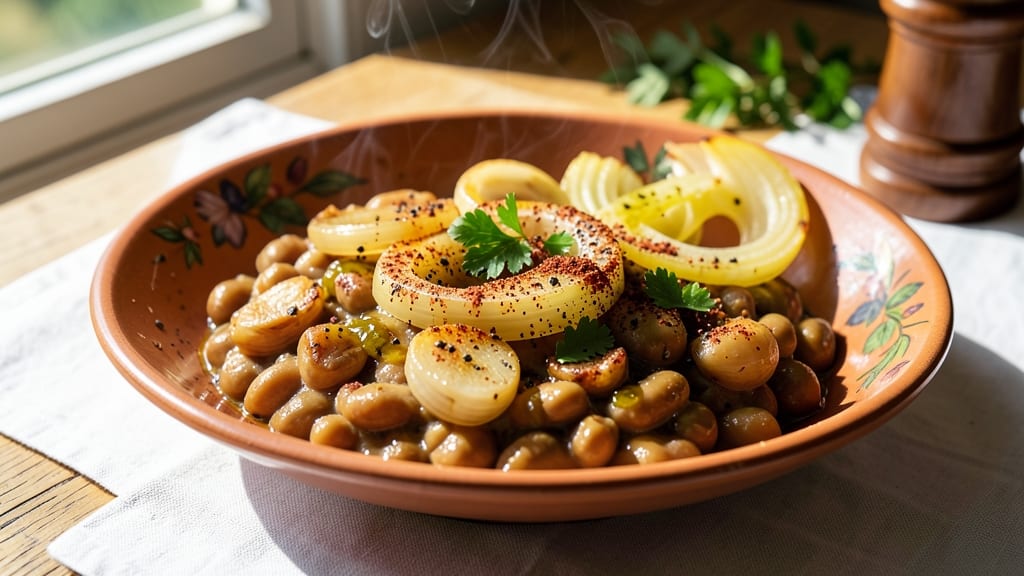
This Azorean fava bean recipe brings the hearty, buttery flavors of Portugal’s Azores straight to your table.
The secret lies in slow-cooking dried fava beans until they’re tender and infused with garlic, olive oil, and just the right amount of salt—creating a dish so rich, it feels like a hug in every bite.
I first tasted these beans during a visit to the islands, where they’re traditionally served as a staple side dish or light stew.
The traditional method requires soaking the beans overnight, then simmering them for 1–2 hours until they’re creamy and velvety. Adding a touch of smoked pork or chouriço elevates the dish into a full meal, but even without it, the beans shine with their natural earthy sweetness.
The key is patience—rushing the cooking turns them mushy, while slow simmering unlocks their full flavor potential.
What makes these fava beans special is their versatility. Serve them alongside Azorean bread for dipping, pair with grilled fish for a seafood feast, or enjoy them as a standalone dish with a glass of local wine.
The texture is creamy yet hearty, with a subtle richness that comes from hours of gentle cooking. This is comfort food at its finest—simple, satisfying, and deeply rooted in tradition.
Perfect for family dinners or special occasions, these beans are a celebration of Azorean cuisine. The recipe yields enough for 4–6 servings, making it ideal for sharing. Once you try them, you’ll understand why they’re a beloved staple in the Azores—where every bite tells a story of island life.
Ingredients for azorean fava bean
Earthy dried beans, rich olive oil, and aromatic garlic create the heart of Azorean comfort food.
| Ingredient | Amount | Notes |
|---|---|---|
| Dried Fava Beans 🌱 | 2 cups | Soaked overnight, drained |
| Extra-Virgin Olive Oil 🫒 | ½ cup | High quality, fruity |
| Garlic Cloves 🧄 | 6 cloves | Peeled, roughly chopped |
| Large Yellow Onion 🧅 | 1 whole | Chopped, medium dice |
| Smoked Paprika 🌶️ | 1 tbsp | Sweet or smoked variety |
| Ground Black Pepper 🌶️ | ½ tsp | Freshly ground preferred |
| Coarse Sea Salt 🧂 | 1 ½ tsp | Diamond Crystal preferred |
| Smoked Chorizo 🥓 | 4 oz | Optional, sliced thin |
| Crusty Azorean Bread 🍞 | 1 loaf | For serving, optional |
| Fresh Parsley 🌿 | ¼ cup | Chopped, for garnish |
| Bay Leaves 🍃 | 2 whole | Fresh preferred |
| Fresh Thyme 🌿 | 1 tbsp | Leaves only, chopped |
The dried fava beans are the star—look for them at specialty markets or online if your grocery store doesn't carry them. Azorean Bean Company sells them online if you're in the US, but even regular dried fava beans work. Soak them overnight in plenty of water (about 6 cups) with a pinch of salt. The longer they soak, the faster they'll cook. For the olive oil, Californian or Spanish varieties work best—they've got that fruity punch that stands up to the beans. Fresh garlic and thyme? Grab them from the store's produce section—they should smell vibrant, not wilted. The smoked paprika adds depth, so don't skip it even if you're not a smoky flavor fan.
No smoked chorizo? Substitute with Italian sausage or even more fava beans—this dish is delicious without it. Running low on bay leaves? Dried works at half the amount. Fresh parsley is ideal, but dried parsley at one-quarter the amount gets you close. The onion can be swapped for leeks if you prefer a milder flavor. For the bread, any crusty loaf works—even sourdough or baguette. The key is to let the beans be the star, so don't overpower them with too many strong flavors. If you're feeling adventurous, try adding a splash of white wine when the beans are almost done—it brightens everything up.
These beans taste even better the next day as the flavors meld. Store leftovers in an airtight container in the fridge for up to 5 days. They also freeze beautifully for 3 months—just thaw overnight in the fridge before reheating. I like to portion mine into individual containers so I can grab a serving straight from the fridge for lunch. The bread? Keep it wrapped in a paper bag at room temperature for up to 5 days—it's perfect for dipping into the bean broth later. Double the recipe if you're feeding a crowd—it's that good.
Why You'll Love This Recipe
- One-Pot Magic: I swear by this recipe when I’m too tired to wash extra dishes—just soak the dried fava beans overnight, then toss everything into one pot with olive oil and onions. The beans soften while the garlic and paprika infuse the broth, and honestly? No straining, no fuss.
- Smoky Depth: That smoked paprika isn’t just for show—it adds this warm, earthy punch that makes the beans taste like they’ve been simmering for hours. The crispy edges from the olive oil? Pure satisfaction, especially when paired with crusty bread.
- Weeknight Workhorse: Between us, this is my go-to when I need something hearty but don’t want to slave over a meal. Double the batch on Sunday, and you’ve got lunch for the next two days—no reheating drama, just rich, flavorful beans that taste even better the second time around.
- Budget Hero: Dried fava beans are a steal compared to fresh, and they stretch across multiple meals without breaking the bank. I’ll be real: my grocery bill stays low, but my freezer stays stocked with this dish—perfect for when I’m too lazy to cook but still want something ridiculously good.
Step-by-step instructions for Azorean fava beans
Here's how to transform simple dried fava beans into the rich, buttery masterpiece from Portugal's Azores.
Prepare the Fava Beans
Start by draining the soaked 2 cups dried fava beans thoroughly and giving them a quick rinse under cold water. I like to rub them gently between my fingers to remove any loose skins - this ensures a smoother texture in the final dish. Transfer the beans to a large pot and cover them with fresh cold water by about 2 inches.
Bring to a boil over high heat, then immediately reduce to a simmer. The beans will foam vigorously at first - this is normal. Let them simmer gently for about 45 minutes, skimming off any foam that rises to the surface. You'll know they're ready when a small bean mashed between two spoons feels tender but still holds its shape. Drain and set aside - we'll return to these shortly.
Build the Flavor Base
In a large skillet, heat the 0.5 cup extra-virgin olive oil over medium heat until shimmering. Add the chopped 1 whole large yellow onion and cook for 5-6 minutes until softened and translucent. Stir in the 6 cloves roughly chopped garlic cloves and cook for another 30 seconds until fragrant - you should smell that wonderful garlic aroma filling your kitchen.
Add the 1 tbsp smoked paprika, 0.5 tsp ground black pepper, and 1.5 tsp coarse sea salt, stirring constantly for 30 seconds until the spices are toasted and aromatic. This is where all the magic happens - these spices will infuse the beans with their deep, smoky character. Remove the pan from heat and set aside for now.
Create the Bean Purée
Return the drained fava beans to the pot and add the 2 whole bay leaves and 1 tbsp chopped fresh thyme. Using an immersion blender (or carefully transferring to a blender in batches), purée the beans until completely smooth. This might take a few minutes - be patient. You want a velvety texture with no lumps remaining.
While blending, taste occasionally and adjust seasoning if needed. The purée should be rich and earthy, with a subtle sweetness from the beans themselves. If it's too thick, add a splash of the cooking liquid to reach your desired consistency. The purée should coat the back of a spoon but still be spreadable.
Combine and Finish
Return the bean purée to the skillet with the flavor base and stir over medium-low heat for 5-7 minutes. The mixture should thicken slightly as it absorbs the flavors from the oil and spices. If using the 4 oz smoked chorizo, add it now and stir until heated through - the chorizo will melt slightly, adding its smoky depth to the dish.
Taste and adjust seasoning one final time. The beans should be perfectly balanced - earthy from the beans, rich from the olive oil, and with a subtle smokiness from the paprika and chorizo. Remove from heat and let sit for 5 minutes to allow all the flavors to meld together.
Serve Traditionally
Ladle the warm fava bean purée into bowls, garnishing each serving with the 0.25 cup chopped fresh parsley. Serve immediately with slices of the crusty Azorean bread on the side - the bread helps cut through the richness of the beans. The contrast between the dense, buttery fava beans and the crisp bread is what makes this dish so satisfying.
For an authentic Azorean experience, serve with a simple green salad and a glass of vinho verde. The acidity of the wine cuts beautifully through the richness of the beans. Each bite should deliver that perfect balance of earthy bean flavor, smoky depth, and buttery richness that makes this dish so special.
Pro Tips For Making Azorean Fava Bean
- SOAK BEANS OVERNIGHT: I learned this the hard way—rushing the soak leaves you with tough, mealy beans. Cover dried favas in water by 3 inches, add a pinch of baking soda (trust me), and let them sit 12+ hours. The longer they soak, the creamier they’ll get when cooked.
- CRUSH BEANS PARTWAY: Don’t skip this step: after soaking, drain and give the favas a rough crush with your hands (yes, even if you’re impatient like me). It won’t turn them into hummus, but it cuts cooking time by 20 minutes and keeps them from splitting into mush later.
- SWEAT ONIONS LOW AND SLOW: High heat turns onions bitter—start them in olive oil on medium-low, stirring often, until they’re translucent and just starting to caramelize (about 10 minutes). This builds flavor without burning, and the onions will melt into the beans instead of sitting on top like sad garnishes.
- TOAST THE PAPRIKA: Smoked paprika loses its depth if you just sprinkle it raw. Heat ½ teaspoon in a dry pan for 30 seconds until fragrant—it deepens the smoky aroma and prevents clumping. Then stir it into the beans at the very end so it doesn’t burn. (Your future self will notice the difference.)
Health benefits of this recipe
Plant-Based Protein
Fava beans are a nutritional powerhouse, delivering 15 grams of plant-based protein per cup—perfect for vegetarians or anyone looking to reduce meat consumption. The Azorean version maintains all these benefits while adding rich flavors from olive oil and garlic.
I love serving these as a meat alternative, especially when paired with grilled vegetables. 💪
Fiber-Rich Comfort
With 12 grams of dietary fiber per serving, these beans support digestive health and keep you full for hours. The slow-cooking process enhances their natural sweetness while preserving fiber content. I find they help stabilize blood sugar better than refined carbs—ideal for a satisfying yet balanced meal.
Heart-Healthy Fats
The extra-virgin olive oil used in this recipe provides heart-healthy monounsaturated fats, which help lower bad cholesterol. Combined with the beans' soluble fiber, this dish becomes a natural heart protector.
I always keep a bottle of Spanish Picual olive oil on hand for this recipe—its peppery finish complements the beans beautifully. 🍃
Rich in Folate
Azorean fava beans are an excellent source of folate (vitamin B9), with one serving providing 30% of your daily needs. Folate is crucial for cell growth and DNA synthesis, making this dish especially beneficial during pregnancy or rapid growth phases.
The traditional Azorean diet relies heavily on these beans for their nutritional density.
Antioxidant Boost
The smoked paprika and garlic in this recipe add antioxidant properties that combat oxidative stress. Garlic contains allicin, which supports immune function, while smoked paprika provides capsaicin for anti-inflammatory benefits. Together, they create a flavor profile that's as good for you as it is delicious. 🌶️
Low-Calorie Satisfaction
Despite their rich, buttery texture, these fava beans are surprisingly low in calories—about 200 calories per serving. The combination of fiber, protein, and healthy fats creates lasting satisfaction without excessive calories.
I often serve them as a side during holiday meals when lighter options are needed. The secret is in the slow cooking—it develops deep flavor without adding empty calories.
Nutrition facts
Frequently asked questions
Can I substitute canned fava beans for dried?
While canned beans work in a pinch, they won't give you the same rich, velvety texture. Dried beans develop their signature buttery consistency through slow cooking, while canned beans are pre-cooked and often mushy. If you must use canned, drain and rinse them thoroughly, then simmer in fresh water for 20-30 minutes to remove excess sodium before blending.
How do I know when the beans are properly cooked?
Test for doneness by mashing a small bean between two spoons. It should be tender but still hold its shape—like a soft potato. Overcooked beans turn mushy and lose their natural sweetness. The beans are ready when they're creamy when mashed but still have slight resistance. This usually takes 45-60 minutes of simmering after the initial boil.
Can I make this recipe without chorizo?
The chorizo adds smoky depth but isn't essential. For a vegetarian version, simply omit it and increase the olive oil by 1 tablespoon to maintain richness. The beans will still be delicious with just the garlic, paprika, and thyme. If you want extra protein, consider adding diced smoked tofu or extra beans instead.
Why does my fava bean purée look grainy?
Graininess usually means the beans weren't fully cooked or blended enough. For a silky texture, ensure beans are tender before blending, and use an immersion blender for better control. If needed, add 1-2 tablespoons of the cooking liquid while blending to help emulsify. For stubborn lumps, strain the purée through a fine-mesh sieve before serving.
What's the best way to store leftovers?
Store in an airtight container in the fridge for up to 5 days. The flavors actually improve overnight! For longer storage, freeze the purée in portions for up to 3 months. Thaw in the fridge overnight before reheating. When reheating, add a splash of water or olive oil to prevent drying out. Leftovers make great sandwich spreads or pasta additions!