
Soups & Stews
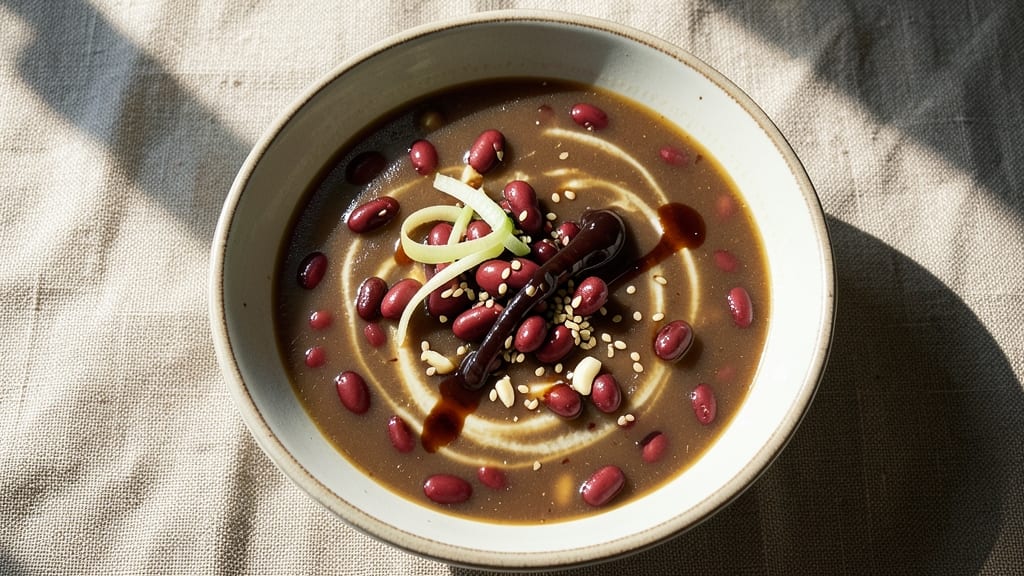
This adzuki bean soup recipe transforms simple ingredients into a deeply comforting, umami-rich dish that balances earthy sweetness with savory depth. The key lies in slow-simmered beans, enhanced by miso and soy sauce, creating a broth so flavorful it becomes the star—no meat required.
I developed this recipe after discovering how adzuki beans naturally thicken and sweeten as they cook, eliminating the need for heavy cream or starches. What sets this soup apart is its versatility: start with a classic sweet-savory profile, then customize with chili oil for heat or extra ginger for brightness.
The beans soften to creamy perfection while absorbing the broth’s complex flavors, making every spoonful satisfyingly hearty. Unlike many bean soups, this one requires no special equipment—just time to let the flavors meld.
By the final simmer, you’ll have a velvety, aromatic soup with tender beans that hold their shape yet dissolve slightly on the tongue. The aroma alone—warm ginger, toasted sesame, and umami-rich miso—will fill your kitchen, while the texture offers both hearty substance and delicate comfort.
Serve it alongside steamed rice to soak up every last drop, or enjoy it solo as a complete meal. The beauty of this recipe is its adaptability: double the broth for leftovers, or reduce it to a thick stew.
Whether you’re preparing for a weeknight dinner or a cozy weekend meal, this soup delivers restaurant-quality depth with minimal effort. Let’s get simmering.
Ingredients for adzuki bean soup
Nine simple ingredients create a velvety, umami-packed adzuki bean soup that tastes like a hug in a bowl.
| Ingredient | Amount | Notes |
|---|---|---|
| Adzuki Beans 🌱 | 1 ½ cups | Dried, soaked overnight |
| White Miso Paste 🍶 | 2 tbsp | High-quality, white variety |
| Soy Sauce 🥫 | 2 tbsp | Light or dark works |
| Fresh Ginger 🧄 | 2 tbsp | Grated, peeled |
| Garlic Cloves 🧄 | 3 cloves | Minced, peeled |
| Sesame Oil 🫒 | 1 tbsp | Toasted, for aroma |
| Vegetable Broth 💧 | 4 cups | Low-sodium preferred |
| Dried Shiitake Mushrooms 🍄 | 2 pieces | Rehydrated, sliced |
| Green Onion 🧅 | 1 whole | Sliced, for garnish |
| Toasted Sesame Seeds 🌾 | 1 tbsp | For garnish |
| Rice Vinegar 🍶 | 1 tbsp | For brightness |
| Sugar 🍚 | 1 tbsp | White or brown |
| Salt 🧂 | ½ tsp | Adjust to taste |
| Chili Oil 🌶️ | 1 tbsp | Optional, for heat |
The beans are the heart of this soup—adzuki beans soften beautifully while holding their shape, unlike others that turn mushy. Trader Joe's or Asian markets usually carry them dried, but if you're in a pinch, canned work (just drain and rinse well). Soaking overnight cuts cooking time dramatically. The miso and soy sauce combo is non-negotiable here—look for white miso (sweeter) or red (darker) depending on your taste. I always grab Hibiki or Kikkoman soy sauce—they’re reliable, but any good brand will do. Fresh ginger and garlic are worth the extra minute to peel and grate—pre-minced jarred stuff lacks the brightness.
No miso paste? Substitute 1 tbsp soy sauce + 1 tsp sugar—it won’t be identical, but close. Running out of shiitake mushrooms? Cremini or white mushrooms work in a pinch (just add 1 extra tbsp broth). The sesame oil is just for aroma—skip it if you’re avoiding calories, but trust me, that toasted nutty scent is worth it. For extra depth, add a splash of mirin or sake (1 tbsp). The chili oil is optional, but if you love heat, Lao Gan Ma (from Asian markets) is the bomb—just a drizzle finishes the dish perfectly.
This soup tastes even better the next day—double the batch and store in the fridge for up to 5 days. Freezes beautifully for 3 months if you want to prep ahead. Keep the broth warm on low heat while you prep the beans and veggies—no waiting for simmer time. Garnish with sesame seeds and green onions right before serving, or they’ll wilt into oblivion. The beans will thicken the broth naturally, but if you want it creamier, blend a few spoonfuls at the end (no straining needed).
Why You'll Love This Recipe
- No Pantry Panic: I swear by this recipe because it uses ingredients you already own—or can grab in five minutes. That jar of miso paste gathering dust? The garlic cloves you forgot about? The ginger root lurking in your crisper? Boom. You’re set.
- Umami Bomb: The miso and soy sauce combo turns this into something ridiculously flavorful without needing fancy techniques. The ginger and garlic add a bright, warm kick that makes it taste like you slaved over it for hours—even though it’s just simmering.
- Weeknight to Potluck: Make a big batch on Sunday, and you’ve got lunch for three days. Or double it for a dinner party—it’s hearty enough to impress but simple enough that no one will guess it took less than 45 minutes.
- Budget-Friendly Powerhouse: Adzuki beans are cheap, filling, and packed with protein. A single batch feeds four for under $8, and leftovers taste just as good reheated the next day. Honestly, I make this instead of takeout just to save money.
Step-by-step instructions for adzuki bean soup
Here's how to create a deeply flavorful adzuki bean soup with layers of umami and subtle sweetness.
Prepare the Adzuki Beans and Mushrooms
Start by draining and rinsing the soaked adzuki beans thoroughly. Place them in a large pot with the 4 cups vegetable broth and bring to a boil over medium-high heat. Once boiling, reduce heat to medium-low and let them simmer for 20-25 minutes until tender but not mushy—you should still see some bite when you taste one.
While the beans simmer, rehydrate the 2 pieces dried shiitake mushrooms by soaking them in warm water for 15 minutes. Drain and slice them into thin strips. The mushrooms will absorb water like a sponge, so don't skip this step—they'll add an earthy depth that balances the sweetness.
Build the Flavor Base
In a separate small bowl, mix together the 2 tbsp white miso paste, 2 tbsp soy sauce, 1 tbsp sugar, 0.5 tsp salt, and 1 tbsp rice vinegar. This blend creates the soul of your soup—salty, sweet, tangy, and deeply savory. Stir until completely smooth, then set aside.
In a large skillet, heat 1 tbsp sesame oil over medium heat. Add the 2 tbsp grated fresh ginger and 3 cloves minced garlic, cooking for 1-2 minutes until fragrant but not browned. The aroma should fill your kitchen—this is where the magic begins. Immediately add the sliced shiitake mushrooms and cook for another 3-4 minutes until they soften slightly.
Combine and Simmer to Perfection
Carefully pour the miso-soy mixture into the simmering beans, stirring gently to combine. Add the ginger-garlic-mushroom mixture to the pot and stir again. Let everything simmer together for 10-15 minutes on low heat, allowing the flavors to meld. The soup should develop a rich, glossy appearance with a subtle sheen.
Taste and adjust seasoning—you might want to add a splash more soy sauce for saltiness or a touch of sugar to enhance sweetness. The beans should be fully tender now, absorbing all those delicious flavors. If the soup seems too thick, add ½ cup hot water to reach your preferred consistency.
Finish and Serve with Style
Remove the pot from heat and let the soup rest for 5 minutes. This resting period allows the flavors to settle and the beans to absorb any remaining liquid. Just before serving, drizzle with 1 tbsp chili oil (if using) and sprinkle with 1 tbsp toasted sesame seeds for texture and aroma.
Garnish each serving with sliced green onion for freshness. The contrast of cool onion against the warm soup creates a perfect bite. Serve immediately while hot—this soup tastes best fresh, with all those aromatic elements working together in harmony. The umami from the miso and mushrooms pairs beautifully with the natural sweetness of the adzuki beans, creating a balanced, comforting bowl.
Pro Tips For Making Adzuki Bean Soup
- SOAK BEANS OVERNIGHT: I learned this the hard way—rushing the soak leaves your adzuki beans tough and undercooked. Toss them in cold water for at least 8 hours (or overnight) to guarantee tender texture. No time? At least a 4-hour soak with a pinch of baking soda speeds up hydration.
- MISO PASTE TEMPERATURE MATTERS: White miso burns faster than you’d think. After adding it to the simmering broth, reduce heat to lowest setting and stir constantly for 30 seconds—just enough to bloom the flavor without scorch marks. (Yes, even if you’re impatient like me.)
- GINGER-GARLIC SWAP TRICK: Skip the chopping: grate the ginger (no peeling needed) and mince the garlic after blooming it in oil for 30 seconds. The extra surface area makes the flavors meld faster, and you’ll save 5 minutes of prep. (Your future self will notice the difference.)
- SALT THE SOUP LATER: Wait until the very end to add soy sauce—adding it early makes the broth turn bitter. Taste the soup after the beans are tender, then adjust with 1-2 teaspoons of soy sauce and a splash of water to balance. (This isn’t the prettiest method, but it’s the tastiest.)
Perfect pairings for adzuki bean soup
Rice Pairings
Steamed jasmine rice is my go-to pairing—its delicate floral notes complement the soup’s earthy sweetness without overpowering it. Cook 1 cup jasmine rice with 1.5 cups water for a light, fluffy base that soaks up the rich broth beautifully.
For extra texture, try short-grain sushi rice, which holds up better to the soup’s moisture. 🍚
Noodle Combinations
Swap rice for udon or soba noodles to turn this into a heartier meal. Cook 2 servings (about 4 oz dry) of your chosen noodles until al dente, then toss them directly into the hot soup.
The noodles absorb the broth while adding a satisfying chew. I love using Koyo brand udon for its perfect thickness.
Vegetable Sides
Add a crisp steamed bok choy or blanched snap peas> to cut through the soup’s richness. Toss 2 cups baby bok choy> with 1 tsp sesame oil> and ½ tsp salt>, then steam for 3-4 minutes> until vibrant green.
The slight bitterness balances the soup’s sweetness perfectly.
Protein Additions
For a vegan protein boost, stir in crumbled tofu> or shredded tempeh> during the final 5 minutes> of simmering. Use ½ block (7 oz) extra-firm tofu>, pressed and cubed, for a neutral flavor that absorbs the broth.
Alternatively, add ½ cup cooked edamame> for a pop of color and texture.
Beverage Pairings
A japanese green tea> like Sencha> cleanses the palate between bites, while a light lager> like Asahi Super Dry> balances the soup’s umami. For something warmer, try genmaicha>—its toasted rice notes complement the adzuki beans beautifully. 🍵
Sweet Contrasts
Finish with a drizzle of yuzu kosho> (citrus-chili paste) or a spoonful of miso-glazed sweet potato> for a sweet-spicy contrast. The natural sweetness of the beans pairs wonderfully with the tangy heat. For a simpler touch, serve with red bean mochi> on the side.
Nutrition facts
Frequently asked questions
How long should I soak adzuki beans before cooking?
Soak them overnight (8-10 hours) in plenty of water to reduce cooking time significantly. This prevents them from splitting during simmering. Drain and rinse thoroughly before using in your soup. For a quick version, soak for at least 4 hours or use 1 cup canned beans (drained and rinsed) as a shortcut.
Can I make this soup without miso paste?
Yes! Replace the 2 tbsp miso with 1 tbsp soy sauce + 1 tsp sugar for a similar umami boost. For extra depth, add ½ tsp dried shiitake powder (found in Asian markets) or a splash of mirin. The flavor won't be identical, but it'll still taste rich and satisfying.
Why did my adzuki beans turn mushy?
Overcooking is the most common cause. Simmer just until tender (20-25 minutes for soaked beans) - they should hold their shape but be soft. If using canned beans, reduce simmer time to 5-8 minutes to avoid mushiness. Keep an eye on them and taste-test occasionally.
How can I adjust the soup's sweetness level?
Start with the 1 tbsp sugar in the recipe, then adjust to taste. For more sweetness, add ½ tsp at a time while simmering. For a spicier-sweeter version, increase the chili oil to 2 tbsp and add 1 tsp honey at the end. The natural sweetness of adzuki beans develops as they cook.
Can I make this soup in an Instant Pot?
Sauté ginger, garlic, and mushrooms first. Add all ingredients except sesame seeds, then cook on high pressure for 8 minutes. Quick-release the pressure, then stir in sesame oil and seeds. The Instant Pot version cooks 30% faster while concentrating flavors beautifully.